
COLOMBIAN HOJALDRAS (HOJUELAS)

Colombian hojaldras (or hojuelas) are pure Christmas spirit: thin, crispy, sweet fried dough that takes you straight to Colombian novenas, shared with family and friends, even if you’re far from home. Here’s how to make them step by step, with a special twist for those of us living in Germany with all those flour numbers.
Flour in Germany: type 405 vs 550
Looking for “all-purpose flour” in Germany can feel like a mission: everything is numbered and most of us are not professional bakers. In theory, type 550 is closer to a classic “all-purpose” flour, but for hojaldras you want a medium‑low protein flour that gives you a thin, crispy texture when fried, which behaves more like type 405.
If you only have type 550, the dough can become a bit more elastic and develop more gluten, especially if you knead it a lot. One simple trick: add 1–2 tablespoons of cornstarch to the flour to help keep the hojaldras crisp and delicate.
Ingredients
1/2 cup orange juice (you can replace it with panela water / brown sugar water)
1 egg
1 cup wheat flour (plus extra for kneading; in Germany, start with type 405, or type 550 plus a bit of cornstarch)
1 tbsp sugar
1 tbsp melted butter
1 pinch of salt
Sugar for dusting at the end
Vegetable oil for frying
Making the dough
In a bowl, mix the flour, sugar and salt until evenly combined.
Add the melted butter, egg and orange juice (or panela water). Mix first with a spoon and then continue with your hand or a mixer until you get a smooth, soft, workable dough. If it feels very sticky, add a little more flour.
Transfer the dough to a lightly floured surface and knead just until it looks smooth; there’s no need to work it too much. Shape it into a ball, cover with a cloth or plastic wrap and let it rest for about 15–20 minutes so it relaxes and is easier to roll out.
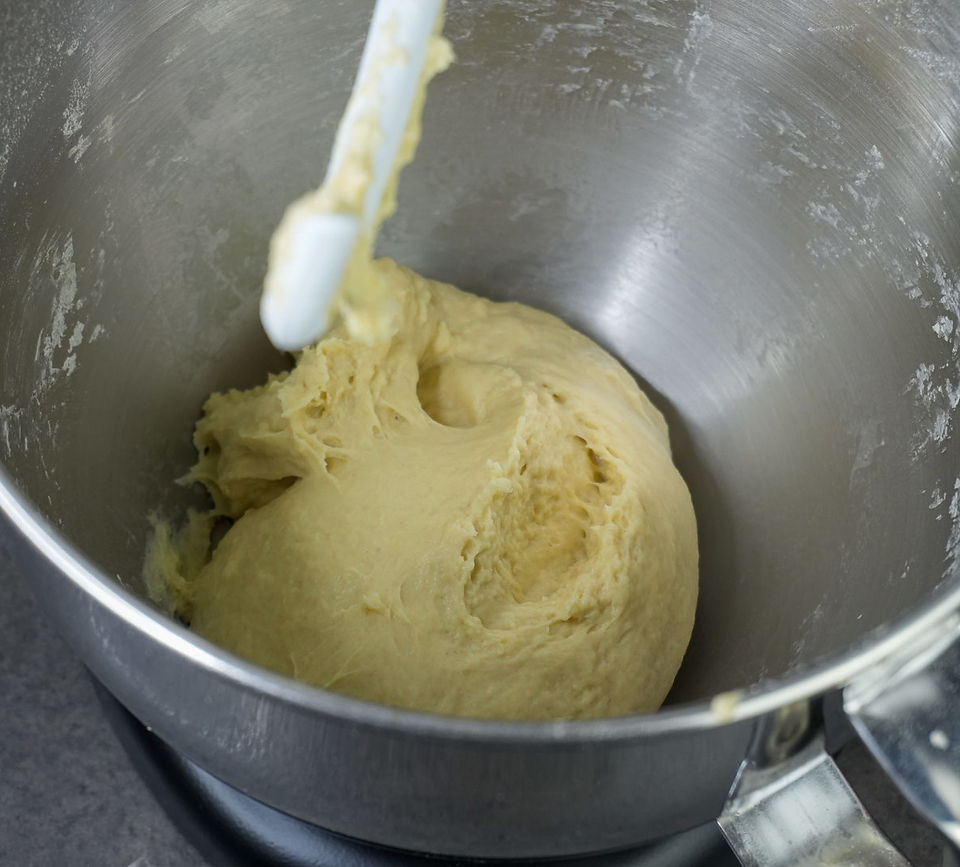
Masa para hojaldras 
Proceso de elaboración de hojaldras 
Hojaldra friéndose en el aceite
Shaping the hojaldras
Roll the dough into a log and cut it into pieces of about 4–5 cm.
Shape each piece into a small ball and use a rolling pin to roll it out very thin; the thinner the dough, the crispier the hojaldras will be once fried.
Cut them into the shapes you like: strips, diamonds or semicircles. In this version, the hojaldras are made as semicircles, but feel free to play with the shapes.
Frying and finishing
In a deep pot, heat enough oil (without filling it too much) to about 170–180 °C. If you don’t have a thermometer, test with a small piece of dough: it should bubble quickly all around it.
Add one hojaldra at a time at the beginning to test the temperature. You’ll see it puff up, usually more on one side. Use a slotted spoon to turn it over so it browns on both sides, until golden and crispy. Remove and place on kitchen paper to absorb excess oil.
While they are still warm, sprinkle generously with sugar so it sticks well.

In Colombia, they’re usually served on a Christmas plate next to buñuelos, natilla, figs in syrup, dulce de leche and all those sweets that taste like December. If you make them abroad, they’re an instant teleport back home
Thank you very much for visiting! Did you like the post? Follow me on our social networks to see more recipes and learn more about my life in Germany.


